Clinical foundations
Relate anatomy, biomechanics and treatment phase to the goal of the orthosis.
UPPER LIMB ORTHOSIS MENTORSHIP
A mentorship proposal coauthored by Dra. Kimiye and Dr. Frederico for physiotherapists and occupational therapists already working with the hand and upper limb. Clinical reasoning, practice and feedback to support each choice.
Free expression of interest. No enrollment commitment.

01 / THE CHALLENGE IN PRACTICE
Knowing an orthosis design is just the start. In practice, you need to understand the goal, adapt the fabrication and recognize when an adjustment is needed.
Develop criteria to decide and practice with guidance to correct.
02 / LEARNING GOALS
The program focuses on developing skills that show up in your decisions and in your fabrication.
Explain the reasoning behind the choice of an orthosis.
Fabricate with attention to positioning, fit and finishing.
Recognize points for improvement and review your execution.
Relate the orthosis to the case and to follow-up needs within your professional scope.
03 / THE LEARNING PROPOSAL
Four areas connect clinical decisions, fabrication and the organization of a specialist service.
Relate anatomy, biomechanics and treatment phase to the goal of the orthosis.
Draw on paper, test, mold and adapt. Work on positioning, cutting and finishing.
Guide use, observe the response and discuss adjustments as the case evolves.
Organize the presentation and pricing of a specialist service within your professional scope.
THE LEARNING CYCLE
Watching a demonstration is the beginning. The proposal is to practice, present your choices for analysis and use feedback to rework what needs improvement.

ORTHOSIS IN USE · ORIGINAL PHOTOGRAPH
04 / HOW IT WORKS
Follow design, testing and fabrication with the technical choices explained.
Present your work and questions to discuss criteria and areas for improvement.
Use feedback to revise the work and explain your adjustments.
Format, frequency and terms for submitting, reviewing and reworking activities will be presented before enrollment.
Request information05 / THE COAUTHORS
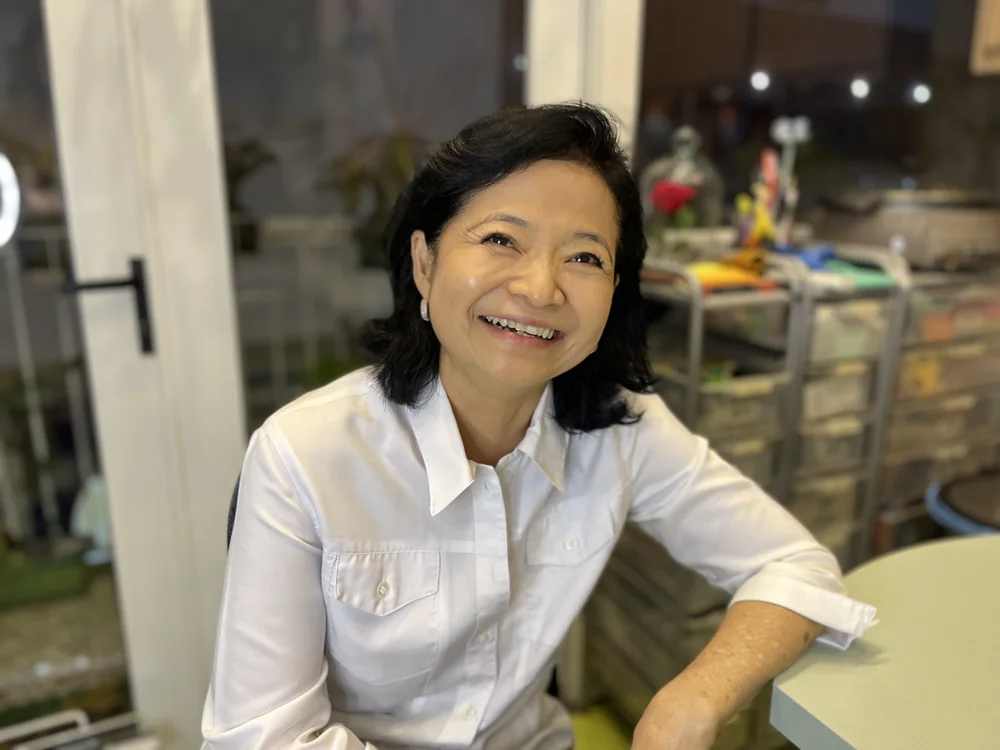
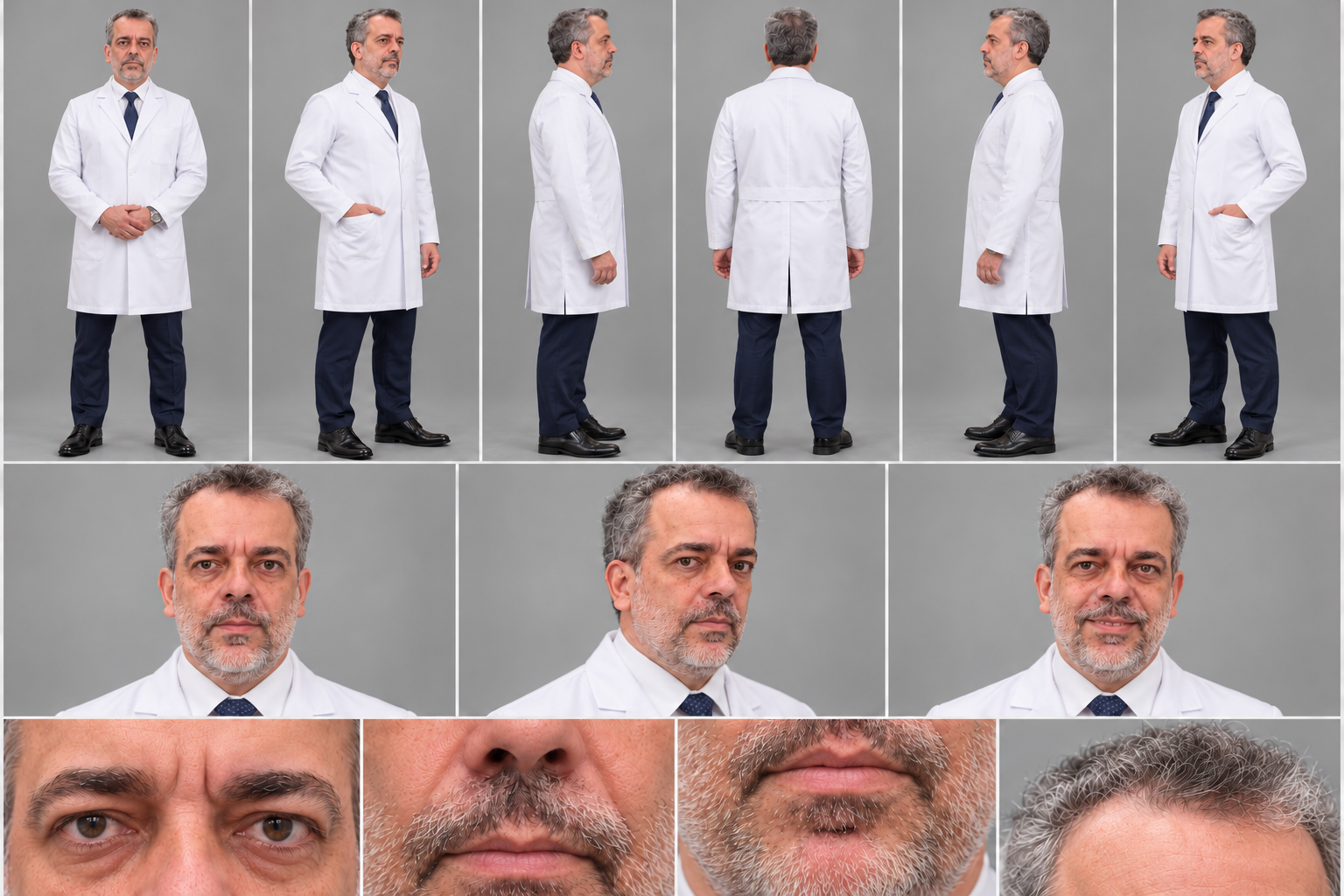
The proposal coauthored by Dra. Kimiye and Dr. Frederico connects observation of the technique with the decisions behind each orthosis.
The focus is to explain what to observe, why to adjust and how to review. Guidance responsibilities will be detailed when the cohort is presented.
Dra. Kimiye and Dr. Frederico

06 / WHO IT IS FOR
Suitability for the program considers your training, experience and goals. Practice assumes access to the necessary materials, whose details will be presented before enrollment.
07 / YOUR QUESTIONS
The proposal is aimed at physiotherapists and occupational therapists with a foundation in anatomy and biomechanics. Your experience and goals will be considered when assessing suitability for the cohort.
The proposal combines demonstrations, case discussions and feedback on orthoses. Frequency, format and participation conditions will be presented with the cohort details.
The duration, schedule and weekly practice load will be defined and shared before enrollment.
Practice requires access to orthosis fabrication materials. The list and information on what is or is not included will be presented before enrollment.
The language of the sessions and guidance will be informed when the cohort is presented. The translations of this site do not mean the mentorship is offered in all of these languages.
The investment and payment conditions will be presented with the cohort details. Registering interest is free and creates no obligation to purchase.
No. Registering lets you request information about the next cohort. Enrollment depends on suitability for the program, availability and confirmation of the participation conditions.
LEARNING SPLINT • Dra. Kimiye and Dr. Frederico
Tell us what you want to develop in your practice. Do not include patient information.
Free registration of interest. No enrollment commitment.
Interest registered.
The team may contact you at the email provided to present the details of the cohort.